A developer’s guide to the security review process
The first time you work with a security team on a review, it can feel like a gate dropping in front of your launch. It rarely needs to feel that way. Once you understand the goals of a review, the information reviewers ask for, and the areas that draw the most scrutiny, the process turns into a partnership that ships your feature more safely. This guide walks through what to expect, drawn from hundreds of security reviews our team has run across payments, identity, social, health, and mobile products.
One disclaimer up front: no two security reviews are the same, and no two companies run them the same way. Treat the patterns below as a map, not a rulebook.
What is the goal of a security review?
The goal of a security review is risk reduction, brought down to a level the organization is comfortable carrying. A review is not designed to catch every possible issue or to drive risk to zero. When it is done well, it significantly lowers your exposure even if some smaller issues remain.
Risk reduction matters for a simple reason: it makes an attack more expensive. In a connected world, a determined adversary with deep skills and an unlimited budget can eventually break into almost anything. The realistic objective is to raise the cost of an attack high enough that it becomes unlikely, so your teams are not stuck firefighting incidents and tracing them back to bugs in shipped code.
There is also a timing argument. Security issues are far cheaper to find early in the design and build than after a feature is live, where they can be thousands of times more costly to fix and manage. A review early in the process protects both the product and the team's time. Stronger security tends to travel with general correctness too, so issues caught here often reduce what QA and testing have to chase later.
Will a security review block your launch?
Whether a review blocks your launch depends entirely on company policy. Some organizations treat reviews as blocking, meaning the feature waits until every finding is resolved. Others run reviews as non-blocking, where the work can launch on schedule and findings are handled afterward. Neither approach is more correct than the other. It comes down to how a company understands risk and what fits its culture.
Timelines vary just as widely. A small, isolated change might be reviewed in a matter of hours. A mid-sized project often takes a week or two. And occasionally a review becomes a long collaboration: when a company decides it needs to build new defenses before a feature can ship, security and engineering can work side by side for many months. Building a secure end-to-end encrypted storage system, for example, can take more than a year because the surrounding defenses and protected key storage have to be built first.
What information does the security team ask for?
A security team will ask for a fair bit of information up front, and knowing why helps you avoid feeling put on the spot. There are a few basics nearly every review starts with.
- Design documents. PRDs, architecture diagrams, and design docs help the reviewer understand what the feature does and what they have signed up to review. Many reviewers, including ours, start here because the design shapes an early view of where risk might live.
- Code locations. Pointing reviewers to the relevant code lets them focus their time on what changed rather than re-reading work that was already covered in a previous review.
- Test environment access. Reviewers often run penetration testing or fuzzing, and they need a real instance of your service away from production where they can test safely. Clear steps to stand one up work just as well as a live link.
There is one request that surprises people: the security team usually wants to hear your concerns. You built the feature, so you understand it best. If an area worries you, say so. A good reviewer will either reassure you that it is already handled or agree it is worth attention and build a defense with you. Sharing what is top of mind speeds the whole review up.
What areas get the most scrutiny in a security review?
A handful of areas reliably draw deeper review, and knowing them lets you plan ahead. If your work touches any of these, expect more time and give the security team a heads-up early. If it touches none of them, your review will likely move quickly.
Authentication
Changes to how an application authenticates its users or administrators are treated as high risk. A bug here can let someone log in as another person, take over their data, or act on their behalf, which causes the rest of your security and privacy guarantees to fall apart. Building a new login flow, adding SSO, or creating authenticated links that carry a secret all warrant a close look at libraries, interfaces, and tests.
Permissions
When a feature changes what users are allowed to do, reviewers check that it does not let anyone exceed their intended access. This matters most around admin privileges, where the concern is users elevating themselves or being granted access they should never have. Reviewers often go beyond reading the code here and run light penetration testing with multiple accounts to confirm each one is limited to its intended scope.
Cryptography
Cryptography has been a constant source of vulnerabilities for decades because it is genuinely hard. It is not enough for an algorithm to be sound. It also has to be the right fit for the business goal, with careful handling of how keys are created, seeded, stored, rotated, and limited to the systems that need them. Any use of cryptography, from random number generation to symmetric or public-key encryption, is an area where the security team will want to partner closely and threat model in depth.
First-time work versus iteration
Iterating on an existing, reviewed system tends to move fast, because the changes are isolated and the threat model is already understood. Building something new, especially something new for the whole company, raises more questions. Reviewers may need to research the space and learn best practices before they can review it meaningfully, so first-time work almost always takes longer than a repeat pattern.
How can you make the review go smoothly?
A security review is people working together, and a few habits make the experience far better on both sides. It is natural to feel protective of a feature you have poured time into, and to bristle when someone arrives late to examine it. That feeling is normal. The reviewer is taking a closer look because the risk warrants it, not to slow you down.
Approach the review with humility, and expect the same in return. When both sides come in willing to learn, think through problems, and remediate together, the work goes faster and tends to make you a more resilient engineer. It also helps to remember that no reviewer knows everything. Security is a vast field, and reviewing DNS infrastructure calls for a different skill set than reviewing mobile apps or agentic workflows. A good reviewer will bring in outside expertise for a niche area rather than guess.
Finally, feel free to push back. If a request seems unreasonable, eats too much time, or you are unsure how to tackle it, say so. The security team is your partner, and part of their job is helping you reach the remediation they recommend, sometimes by building reusable defenses with their own bandwidth. You are the customer in this relationship. When two teams work through it together, they find the best way forward.
Build review into the way you ship
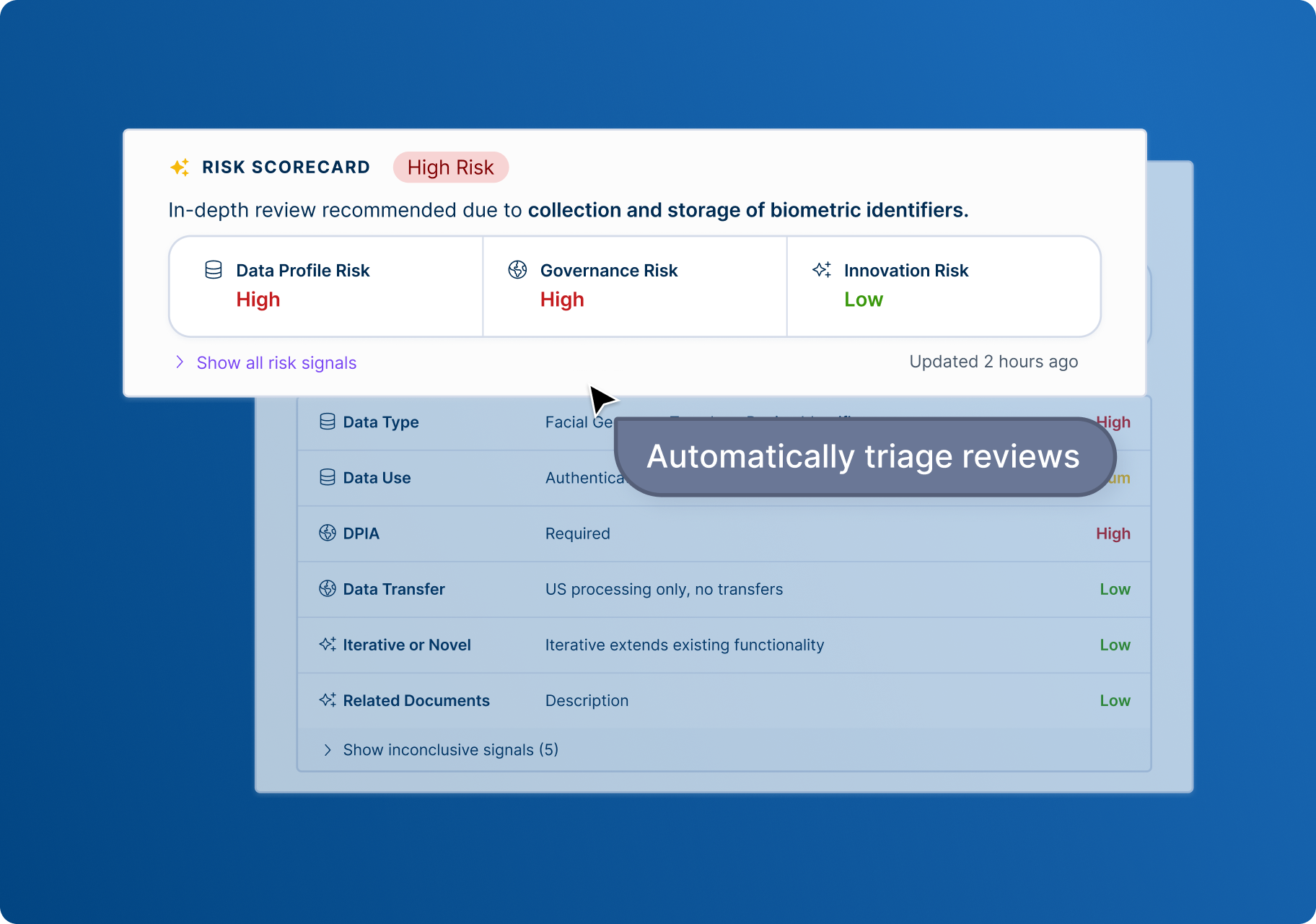
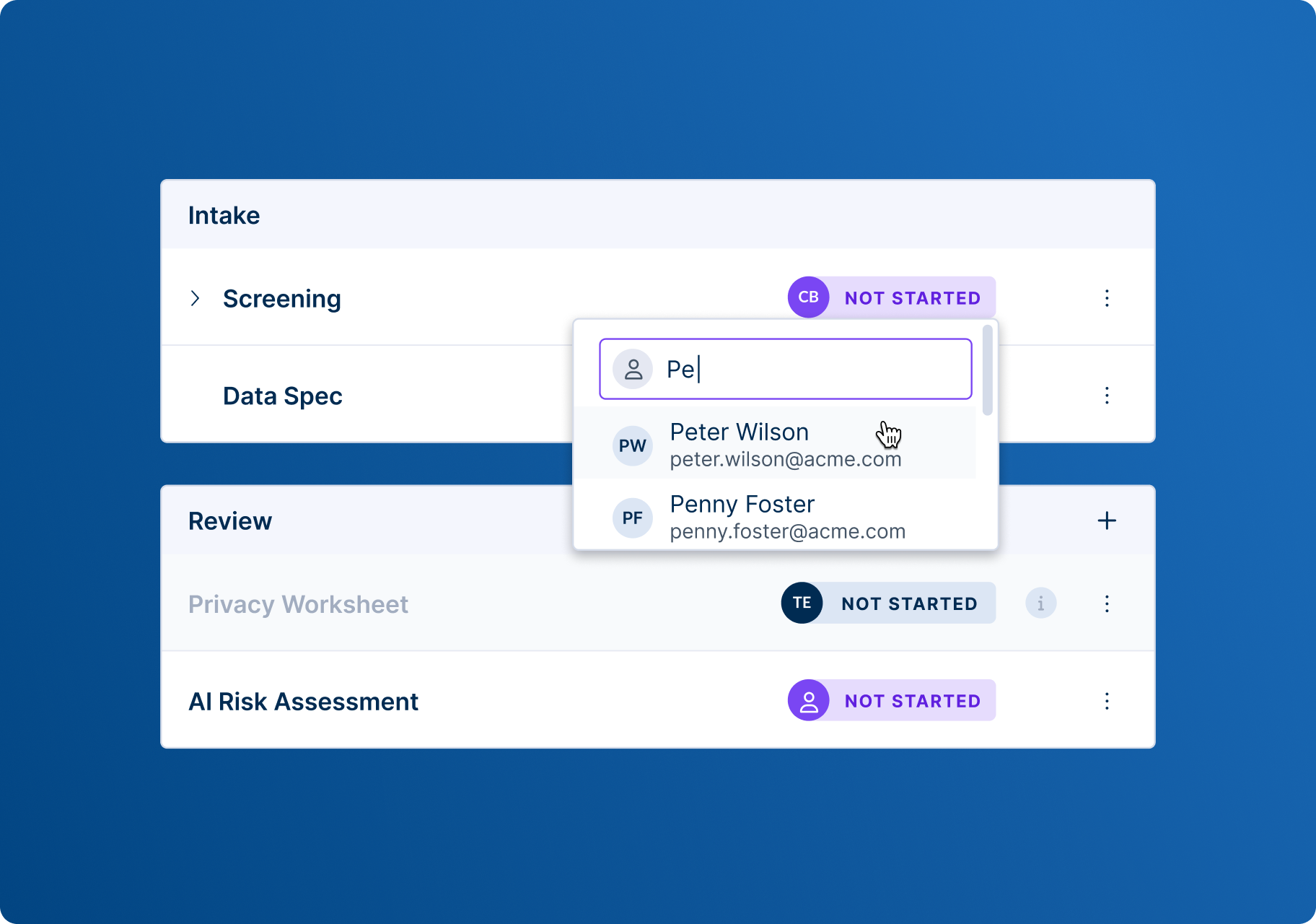
TerraTrue surfaces risk in the design phase, while it's still a small change instead of a shipped problem. Teams stop firefighting and reviews stop being the bottleneck.
Book a demo to see it in action.
Frequently asked questions
What is the goal of a security review?
The goal is to reduce risk to a level the organization is comfortable carrying, rather than to eliminate every possible issue. A strong review makes attacks more expensive and catches problems early, when they are far cheaper to fix than after launch.
How long does a security review take?
It varies with the scope of the work. A small, isolated change may be reviewed in hours, a mid-sized project typically takes a week or two, and a new system that requires fresh defenses can take many months of collaboration between security and engineering.
Does a security review block a launch?
That depends on company policy. Some organizations hold the launch until all findings are resolved, while others run reviews as non-blocking and address findings after the feature ships. Both are valid approaches that reflect how a company understands risk.
What does the security team ask for at the start of a review?
Reviewers usually request design documents such as PRDs and architecture diagrams, the locations of the relevant code, and access to a test environment for penetration testing or fuzzing. They also want to hear the concerns you already have about the feature, since you understand it best.
Which areas get the most scrutiny in a security review?
Authentication, permissions, and cryptography draw the deepest review because bugs in those areas have outsized impact. Work the company is building for the first time also takes longer, since reviewers may need to research the space before they can review it well.