AI security audits for privacy teams
Let's face it – most AI security audits are a mess. Privacy teams are struggling to adapt traditional security frameworks to AI systems, while facing pressure from both regulators and development teams who need to ship features fast.
This guide cuts through the chaos. We'll show you how to build an AI security audit process that actually works, based on real-world experience and emerging best practices.
Why Traditional Security Audits Don't Work for AI
Traditional security audits weren't designed for AI systems. They miss critical risks like:
- Model poisoning attacks through contaminated training data
- Training data vulnerabilities that expose sensitive information
- Inference manipulation that bypasses traditional security controls
- AI-specific privacy leaks through model inversion attacks
- Prompt injection vulnerabilities in language models
- Model extraction attempts that steal intellectual property
But simply adding more checkboxes isn't the answer.
The problem goes deeper than just missing checks. Traditional audits assume static systems, but AI models evolve through training. They assume clear input/output relationships, but AI systems often have complex, probabilistic behaviors.
The New Approach to AI Security Audits
Modern AI security audits need three core components:
- Continuous Assessment
- Replace point-in-time reviews with continuous monitoring
- Track changes in model behavior and data usage
- Implement automated detection of security drift
- Risk-Based Prioritization
- Focus on high-impact AI components first
- Evaluate both technical and business risk
- Consider regulatory exposure (especially under the EU AI Act)
- Development Integration
- Build security checks into the ML pipeline
- Automate routine assessments
- Create feedback loops between security and development teams
Each component requires specific implementation.
For Continuous Assessment:
- Deploy monitoring systems that track model behavior in production
- Set up automated alerts for unexpected changes in model outputs
- Create baselines for normal operation and detect deviations
- Implement version control for model artifacts and training data
- Track all modifications to production models
- Monitor resource usage patterns for anomaly detection
For Risk-Based Prioritization:
- Evaluate models based on data sensitivity and business impact
- Consider both direct and indirect attack vectors
- Assess potential for model abuse or misuse
- Map dependencies between different AI systems
- Calculate potential financial and reputational damage
- Factor in regulatory requirements and compliance risks
For Development Integration:
- Implement security gates in your CI/CD pipeline
- Automate common security checks during model training
- Create feedback mechanisms for security findings
- Build security testing into model validation
- Establish clear security requirements for new models
- Provide security tools and libraries to development teams
Building Your AI Security Audit Framework
Here's your step-by-step playbook:
Step 1: Map Your AI Landscape
- Create a comprehensive inventory of models and their purposes
- Document data sources, processing pipelines, and storage locations
- Map internal and external dependencies for each system
- Identify all stakeholders and system owners
- Track model versions and deployment histories
- Document security assumptions and requirements
Step 2: Define Your Risk Categories
- Model security risks
- Data protection requirements
- Operational vulnerabilities
- Compliance obligations
Step 3: Implement Security Controls
- Access controls for training data
- Model integrity verification
- Input validation systems
- Output monitoring tools
Step 4: Create Automated Checks
- Continuous monitoring systems
- Automated security testing
- Regular vulnerability scans
- Performance anomaly detection
Common AI Security Audit Pitfalls
AI security is fundamentally different from traditional security assessments. Most teams try to adapt existing frameworks without understanding the unique challenges of AI systems, leading to dangerous blind spots in their security posture.
Don't make these expensive mistakes:
Pitfall 1: Treating AI Models Like Traditional Software
- Reality: AI systems have unique attack surfaces
- Solution: Develop AI-specific security controls
Pitfall 2: Ignoring Model Drift
- Reality: Model behavior changes over time
- Solution: Implement continuous monitoring
Pitfall 3: Overlooking Training Data Security
- Reality: Training data is a prime attack vector
- Solution: Treat training data as a critical asset
Security teams often discover these pitfalls too late, after a security incident has already occurred. The key is understanding that AI security requires a paradigm shift in how we think about system boundaries, attack surfaces, and risk management.
Making AI Security Audits Work in Practice
Effective AI security audits require a cultural shift as much as a technical one. Your team needs to move beyond checkbox compliance and embrace a continuous security mindset that aligns with the dynamic nature of AI systems.
Success requires:
- Clear Ownership
- Assign dedicated security leads
- Define clear responsibilities
- Establish escalation paths
- Documented Procedures
- Create clear audit workflows
- Define acceptance criteria
- Establish remediation processes
- Automated Tools
- Implement security scanning
- Set up continuous monitoring
- Enable automated reporting
Successful implementation isn't about perfection – it's about progress. Start with basic controls and gradually expand your coverage as your team's capabilities grow. The most successful organizations treat their audit process as a product that continuously evolves.
Measuring Audit Effectiveness
Traditional security metrics don't capture the full picture of AI system security. Your measurement framework needs to account for both the technical and operational aspects of AI security.
Track these key metrics:
- Time to complete audits
- Number of identified vulnerabilities
- Remediation success rates
- Model security scores
- Compliance coverage
The key is trending these metrics over time rather than focusing on absolute values. Pay special attention to the correlation between security findings and model performance – effective security controls shouldn't significantly impact your models' utility.
What's Next for AI Security Audits?
AI securityis evolving faster than traditional security frameworks can adapt. We're seeing the emergence of new attack vectors and defense mechanisms almost weekly, and security teams need to stay ahead of these developments.
Watch out for:
- New AI-specific security standards
- Enhanced automation capabilities
- Improved testing frameworks
- Regulatory requirements evolution
The most successful teams are already moving beyond reactive security measures to implement predictive controls that can identify potential vulnerabilities before they're exploited. This proactive approach will become increasingly critical as AI systems become more complex and interconnected.
Take Action Now
Don't wait for perfect standards or complete frameworks. Start by:
- Mapping your AI systems
- Identifying critical risks
- Implementing basic controls
- Building automated checks
Ready to Strengthen Your AI Security?
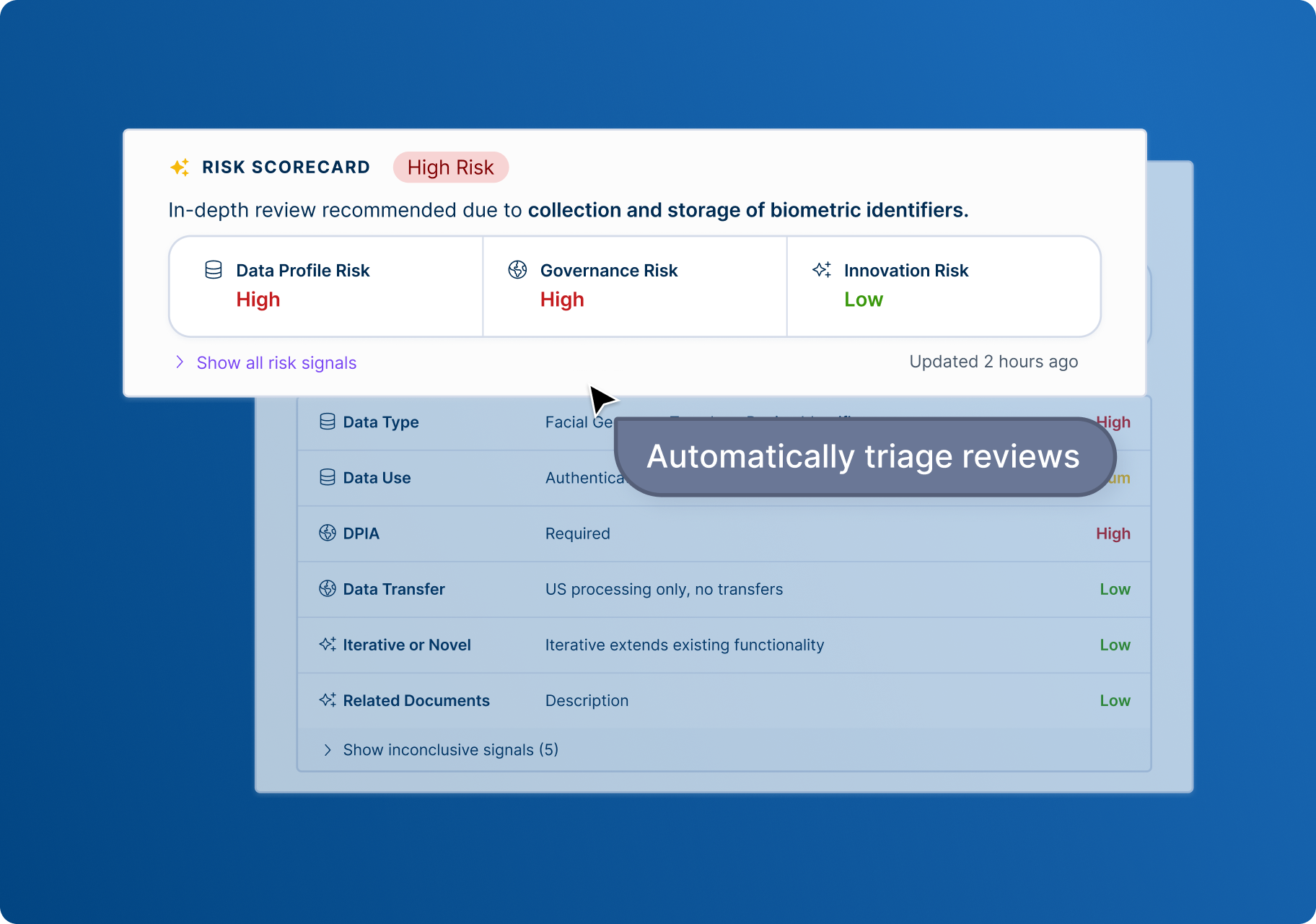
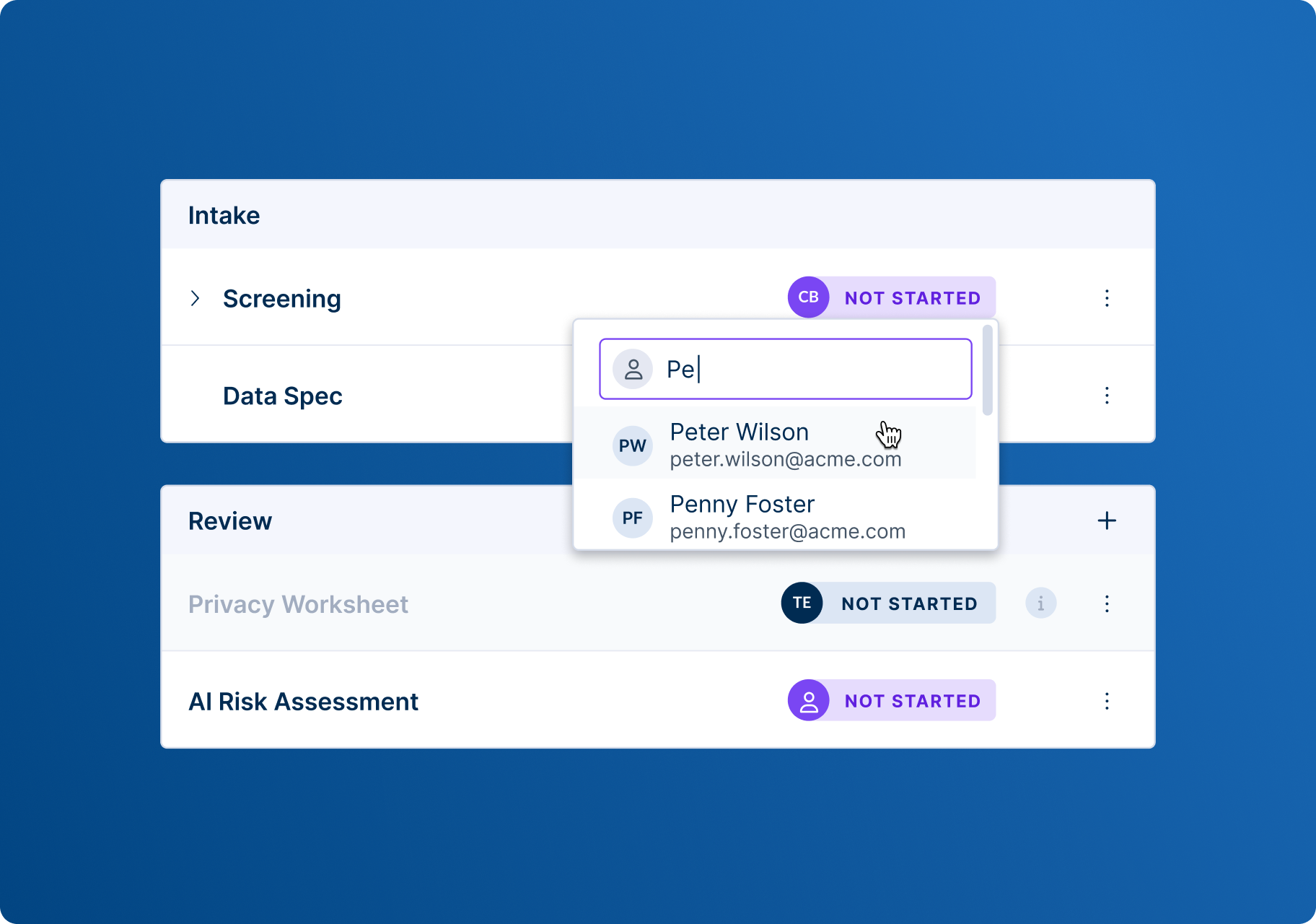
Building effective AI security audits doesn't have to be overwhelming. TerraTrue helps you automate security reviews, maintain continuous compliance, and protect your AI systems at scale.
Want to see it in action?
Book a demo today.