Building a RoPA that actually works
Let's be honest – most Records of Processing Activities (RoPAs) are outdated spreadsheets gathering digital dust somewhere in your SharePoint. But with massive fines for GDPR violations and increasing regulatory scrutiny, that approach isn't cutting it anymore.
In this guide, we'll show you how to build a RoPA that's actually useful, not just compliant. We'll skip the fluff and get straight to what works.
First Things First: What's a RoPA (and Why Should You Care)?
Think of a RoPA as your data processing playbook. It documents what personal data you collect, why you collect it, and what happens to it. Under GDPR Article 30, it's mandatory for most organizations – but that's not why you should care.
A good RoPA is like a well-organized codebase. It makes your life easier by:
- Preventing duplicate work
- Spotting potential privacy issues before they become problems
- Making audits less painful
- Helping you make faster decisions about new features or products
The Problem with Traditional RoPAs
Most organizations approach RoPAs in one of two broken ways:
- The "Let's make a spreadsheet" approach (spoiler: it gets outdated immediately)
- The "Let's buy expensive software and figure it out later" approach (spoiler, again: it becomes shelfware)
Here's what actually works.
Building a RoPA That Doesn't Suck
- Start with Data Mapping (But Make It Make Sense) Don't just list every database field. Instead:
- Document actual data flows
- Focus on business processes first, technical details second
- Map dependencies between processes
- Use Automation (But Thoughtfully) The goal isn't to automate everything – it's to automate the boring stuff:
- Data inventory updates
- Change tracking
- Basic compliance checks
- Make It Part of Your Development Process Your RoPA should evolve with your product:
- Integrate it with your feature planning
- Make it part of your privacy review process
- Keep it connected to your actual systems
The Essential Components
Every solid RoPA needs these building blocks (we'll explain why each matters):
Processing Purposes
- What you're doing with the data
- Why you're doing it
- Your legal basis (GDPR requirement, but also good practice)
Data Categories
- Types of data you're collecting
- Who it belongs to
- Special categories that need extra attention
Data Flows
- Where data goes
- Who has access
- Cross-border transfers
Retention & Security
- How long you keep data
- How you protect it
- How you delete it
Real Talk: Common RoPA Challenges
Here's what actually trips organizations up (and how to deal with it):
Challenge 1: "Our RoPA is always out of date"
Solution: Make updates automatic where possible. Integrate with your development workflow so changes are captured as they happen, not after the fact.
Challenge 2: "Nobody knows who owns the RoPA"
Solution: Treat it like a product. Assign clear ownership and make it someone's actual responsibility – not just an extra task.
Challenge 3: "It's too complicated to maintain"
Solution: Start simple. Focus on your core processes first. Add complexity only where it adds value.
Making It Work in Practice
Here's what successful organizations do differently:
- They Keep It Simple
- Focus on what matters
- Document just enough detail
- Make it easy to update
- They Make It Accessible
- Keep it where people can find it
- Make it searchable
- Use clear language
- They Automate Smartly
- Connect it to existing tools
- Automate repetitive updates
- Keep human oversight where it matters
The Future of RoPA Management
The old way of managing RoPAs is dying. Modern privacy programs are:
- Moving from static documents to dynamic systems
- Integrating privacy into development workflows
- Using smart automation to reduce manual work
Ready to Build a Better RoPA?
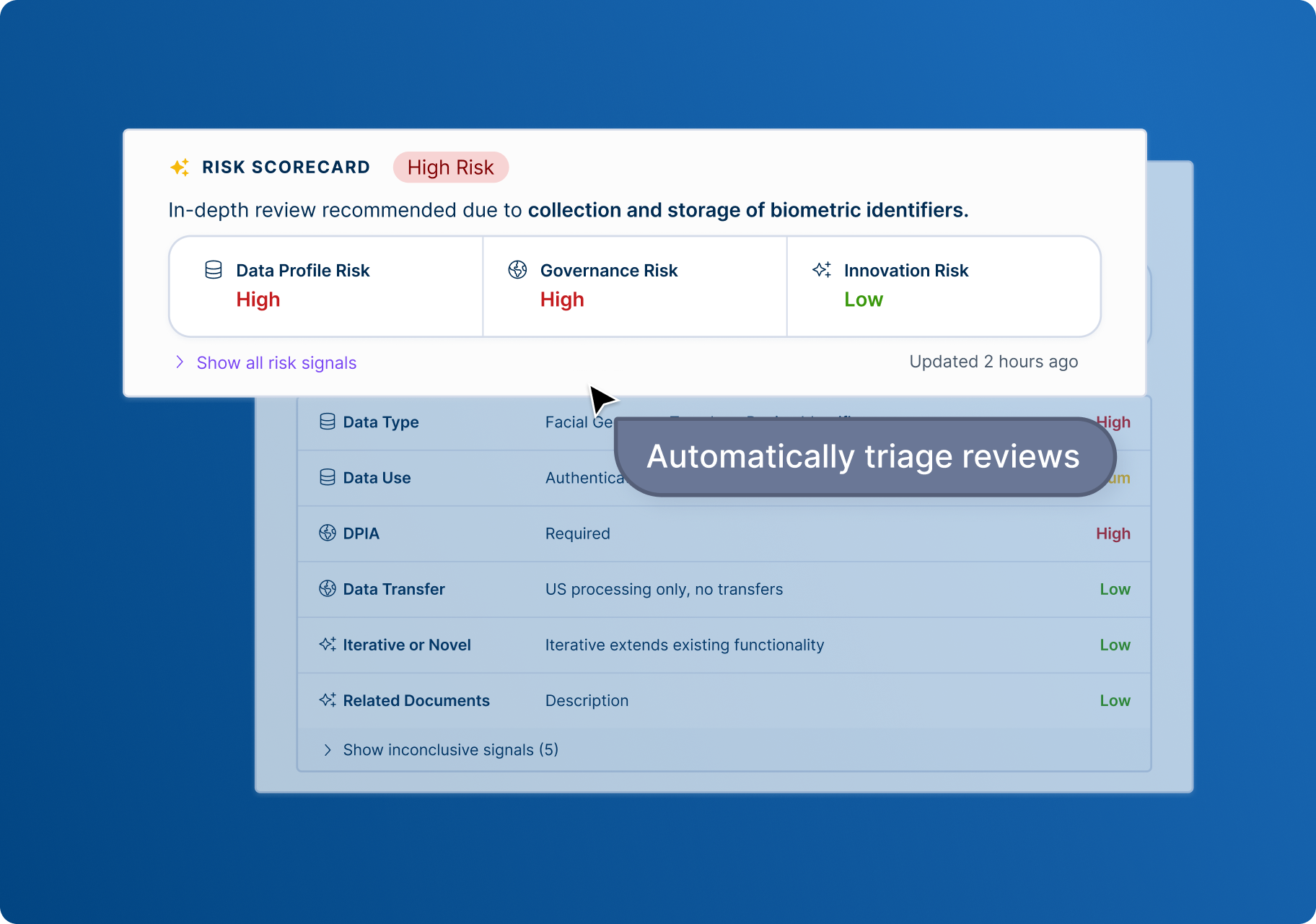
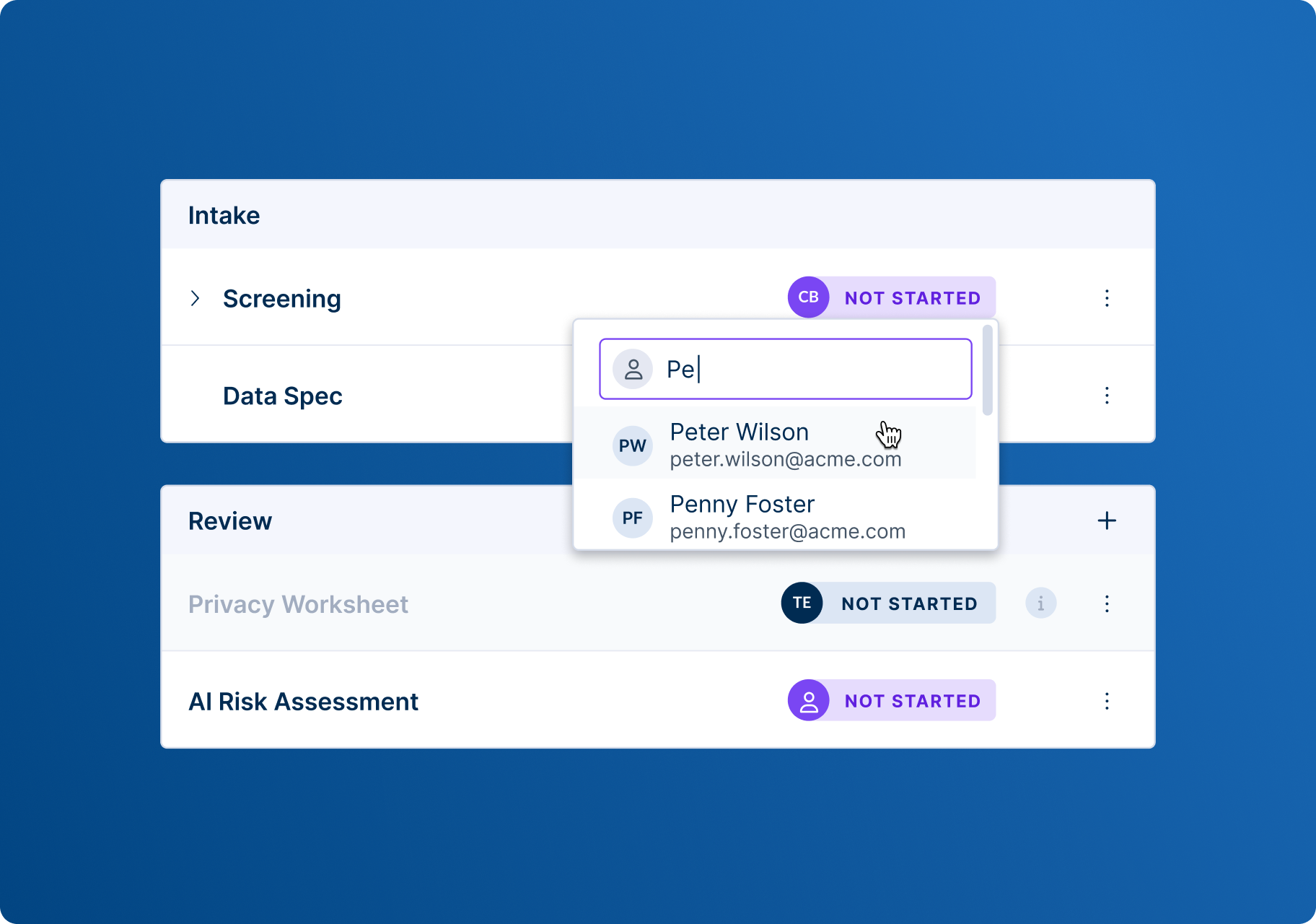
If you're tired of maintaining spreadsheets or wrestling with complex tools, there's a better way. TerraTrue helps you build and maintain a living RoPA that updates automatically as your products evolve.
Want to see how it works?
Book a demo and we'll show you.