Security by design: a CTO's guide
The average cost of a data breach hit $4.88 million in 2024.
For fast-growing companies, this isn't just a statistic—it's a wake-up call. As your engineering team races to ship features and meet market demands, how do you ensure security doesn't become tomorrow's crisis?
The answer lies in security by design–embedding security into your development lifecycle from day one. But here's what most articles won't tell you: it's not just about preventing breaches.
It's about accelerating your development velocity.
The Hidden Cost of Bolt-On Security
"Because it is the right thing to do" is often the default answer for implementing security measures. But in today's economic climate, with finite resources and increasing pressure to ship faster, we need to look deeper.
Traditional approaches to security—where it's treated as a final checkpoint—create three critical problems:
- Exponential Cost Escalation: Fixing security issues post-deployment costs up to 100x more than addressing them during design
- Development Paralysis: Late-stage security reviews force engineering teams to either rebuild features or accept uncomfortable risks
- Reputational Damage: Public security incidents can take years to recover from, affecting customer trust and market position
The cost of fixing a bug increases drastically as you advance in the stages of the software development lifecycle, so conducting these reviews after the functionality is live is generally an ineffective risk mitigation strategy.
Why Security by Design Changes the Game
Security by design isn't just another development methodology—it's a fundamental shift in how we build products. Engineering teams need a new approach that transforms security from a bottleneck into a business enabler.
Here's what it looks like in practice:
Early Risk Identification
Industry analysis shows that teams implementing security by design identify 80% of critical vulnerabilities before a single line of code is written. This proactive approach dramatically reduces both security incidents and development costs.
Accelerated Development Cycles
When security is embedded in the development process from the start, teams spend less time on security-related rework and more time shipping features.
Research demonstrates that security by design speeds up development:
- 10-20% faster overall development cycles
- 60% reduction in security-related patches
- 45% decrease in post-release security incidents
Automated Security Controls
The key to scaling security across rapid development cycles is automation that works seamlessly with your existing tools and processes.
Modern security by design leverages automation to:
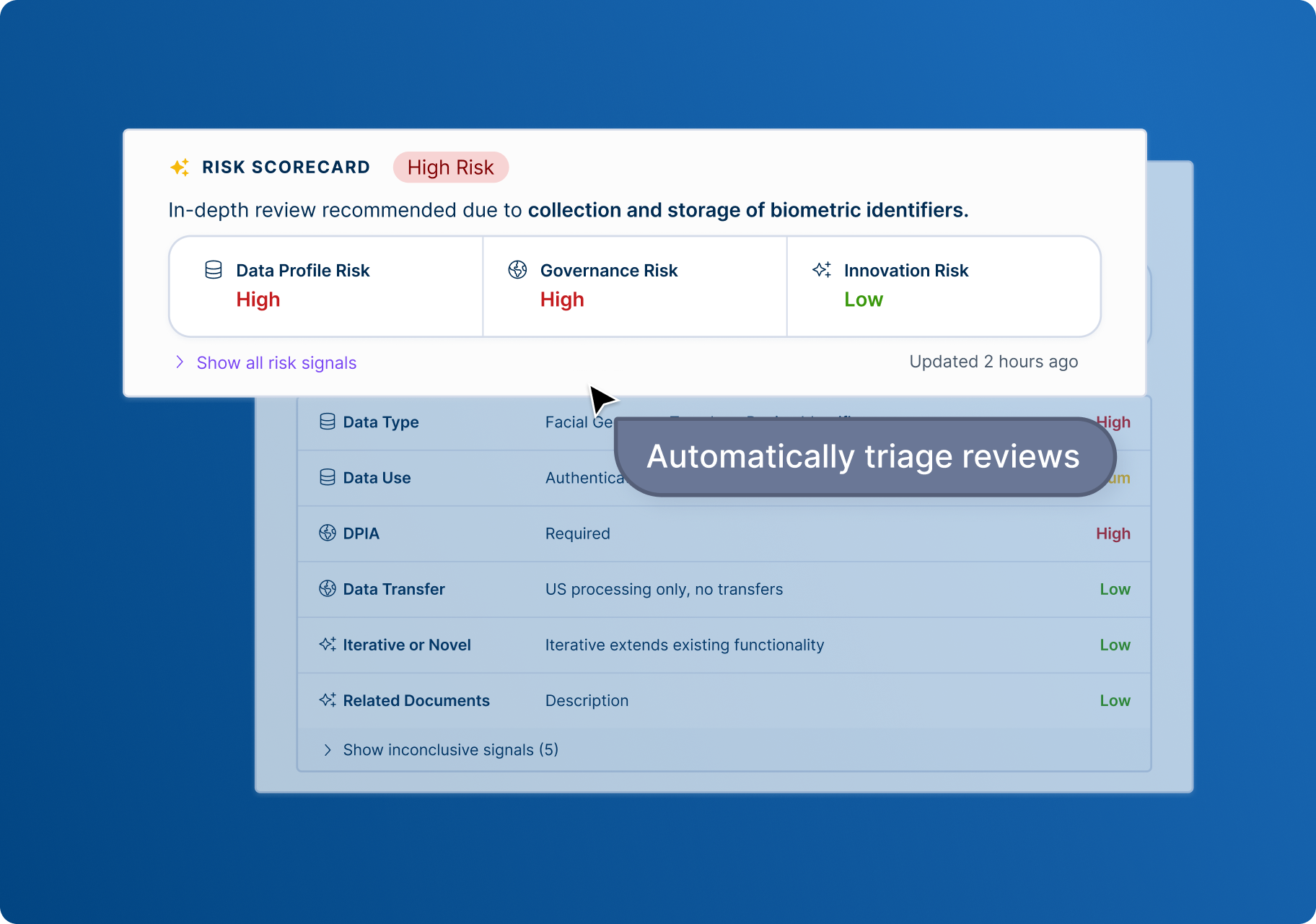
- Trigger pre-deployment security reviews automatically
- Standardize security requirements across projects
- Enable continuous security validation without manual intervention
Implementing Security by Design: A Practical Framework
Moving from theory to practice requires a clear, actionable implementation strategy. Here's how to implement security by design without disrupting your existing development workflow:
1. Start at Conception
Begin security reviews during feature ideation. Opt to begin the privacy review even earlier in the product lifecycle, ideally when the feature is just being conceived. According to TerraTrue CEO Jad Boutros, "Every day counts when you want to mitigate risks and launch in a safe and timely way."
2. Automate Critical Workflows
Modern engineering teams can't afford to manually track security requirements across hundreds of features and deployments.
Implement automated security triggers that:
- Initiate reviews based on code changes
- Flag potential security issues in real-time
- Generate compliance documentation automatically
3. Establish Clear Security Requirements
Without standardized security requirements, teams waste time reinventing the wheel and risk missing critical security controls.
Create standardized templates that:
- Define security requirements upfront
- Include customizable risk assessments
- Provide clear acceptance criteria
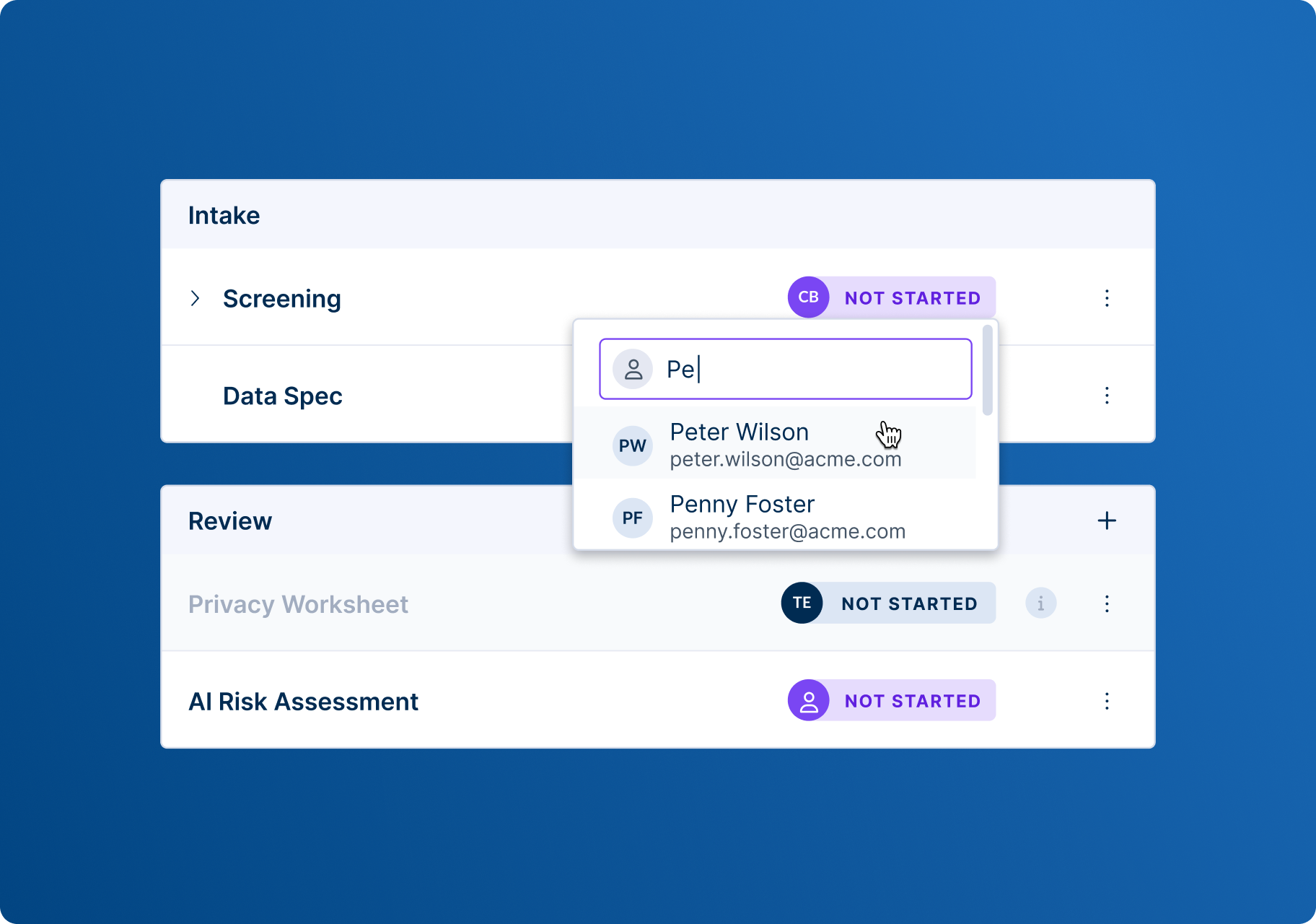
4. Enable Cross-functional Collaboration
Security can't operate in isolation—it needs to be integrated into every team's workflow and toolchain.
Break down silos between teams:
- Integrate security tools with existing development platforms
- Establish clear communication channels
- Create shared responsibility for security outcomes
Measuring Success: The Security by Design Scorecard
Success in security by design isn't just about preventing breaches—it's about demonstrating measurable business impact. It's important to quantify the value of your security program with metrics that matter to engineering leaders.
Track these key metrics to measure the effectiveness of your security by design implementation:
- Time to Market Impact
- Development cycle duration
- Security review completion times
- Release frequency
- Cost Efficiency
- Security incident resolution costs
- Resource allocation efficiency
- Training and tooling ROI
- Risk Reduction
- Number of pre-release vulnerabilities identified
- Post-release security incidents
- Time to remediation
These metrics provide a comprehensive view of how security by design impacts both your engineering velocity and your risk profile.
Building a Security-First Culture
Security by design isn't just about preventing breaches—it's about building a sustainable competitive advantage. As development cycles accelerate and security threats evolve, the ability to ship secure code quickly becomes increasingly crucial.
The most successful engineering teams we work with don't view security as a checkbox. They see it as a catalyst for innovation and growth. By embedding security into your development DNA, you're not just protecting against million-dollar breaches – you're building a foundation for sustained market leadership.
Want to transform your security approach?
Talk to us about implementing security by design in your organization → Request a demo.